1. Computer
A reliable computer serves as the center of any music production setup. Most modern laptops and desktop computers can handle music production software efficiently.
Producers should prioritize sufficient processing power, memory, and storage space to support recording sessions and audio projects.
2. Digital Audio Workstation (DAW)
A DAW is software used to create and edit music. It functions as the primary workspace for recording, arranging, mixing, and producing songs.
Popular DAWs include:
- FL Studio
- Ableton Live
- Logic Pro
- Cubase
- Reaper
- Studio One
Each DAW offers unique features, but the fundamental production concepts remain largely the same.
3. Audio Interface
An audio interface converts analog audio signals into digital data that can be processed by a computer.
This device improves recording quality and allows producers to connect microphones, instruments, and studio monitors.
4. Microphone
A microphone is essential for recording vocals and acoustic instruments.
Condenser microphones are particularly popular for home studios because they capture detailed sound and perform well in controlled recording environments.
5. Headphones or Studio Monitors
Accurate monitoring is crucial for mixing and production decisions.
Many beginners start with quality headphones before investing in studio monitors. Both options help producers hear details within their recordings.
Understanding the Music Production Workflow
Although every producer develops a unique workflow, most music production projects follow a similar process.
Songwriting and Composition
The production process often begins with songwriting.
This stage involves creating melodies, chord progressions, lyrics, and musical ideas. Some producers start with a piano progression, while others begin with a vocal melody or rhythmic pattern.
The objective is to establish the core musical foundation of the song.
Arrangement
Arrangement refers to organizing musical elements into a complete structure.
During this stage, producers determine:
- Song sections
- Instrument placement
- Dynamic changes
- Transitions
- Layering techniques
Effective arrangements maintain listener interest while supporting the emotional direction of the song.
Recording
Recording captures performances as audio files.
This may include:
- Vocals
- Guitars
- Piano
- Drums
- Strings
- Other instruments
Even producers who primarily work with virtual instruments often record vocals or live elements to enhance realism and expression.
Editing
After recording, producers clean and refine the audio.
Editing tasks may include:
- Timing adjustments
- Pitch correction
- Noise removal
- Track organization
- Performance improvements
Careful editing creates a more polished and professional sound.
The Importance of Sound Design
Sound design involves shaping and creating sounds that fit the artistic vision of a song.
Modern producers often use:
- Synthesizers
- Sample libraries
- Virtual instruments
- Audio effects
Good sound selection is one of the most important aspects of production. Choosing the right sounds can significantly improve a song before mixing even begins.
For example, orchestral ballads often benefit from warm piano tones, subtle strings, and atmospheric textures that enhance emotional depth.
Mixing: Creating Balance
Mixing is the process of balancing individual tracks within a song.
The goal is to ensure that every element can be heard clearly while contributing to a cohesive overall sound.
Key mixing techniques include:
Volume Balancing
Adjusting levels allows important elements, such as vocals, to stand out appropriately.
Equalization (EQ)
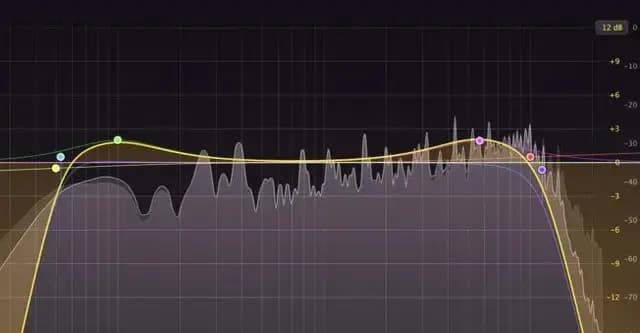
EQ helps shape frequencies and prevent instruments from competing for the same sonic space.
Compression
Compression controls dynamic range and creates consistency within recordings.
Reverb and Delay
These effects add depth, space, and atmosphere to a mix.
Stereo Imaging
Proper stereo placement creates width and improves listener immersion.
A successful mix sounds balanced across various listening devices, including headphones, speakers, and smartphones.
Mastering: The Final Step
Mastering is the final stage of music production.
During mastering, the completed mix is optimized for distribution and playback across different platforms.
Mastering helps:
- Improve overall loudness
- Maintain consistency
- Enhance clarity
- Ensure professional playback standards
Although many producers hire mastering engineers, modern software has made basic mastering accessible to independent creators.
A well-mastered track provides a polished final presentation that is ready for public release.
Distributing Music Through Aggregators
After production is complete, the next step is distribution.
Independent artists typically use digital music aggregators to deliver their music to streaming platforms.
Popular distribution services include:
- DistroKid
- TuneCore
- CD Baby
- Ditto Music
- UnitedMasters
These services distribute music to platforms such as:
- Spotify
- Apple Music
- YouTube Music
- Amazon Music
- Deezer
- Tidal
Aggregators allow independent artists to reach global audiences without requiring major record label support.
Promoting Music in the Digital Era
Producing a great song is only part of the process. Effective promotion is equally important.
Modern producers and artists often use:
Social Media
Platforms such as Instagram, TikTok, and YouTube provide opportunities to connect directly with listeners.
Behind-the-scenes content, production breakdowns, and short performance clips can attract new audiences.
Personal Branding
A clear artistic identity helps listeners remember and connect with an artist or producer.
Visual aesthetics, storytelling, and consistency all contribute to strong personal branding.
Networking
Collaborating with musicians, vocalists, and content creators expands professional opportunities and audience reach.
Building relationships remains one of the most valuable aspects of career development in music.
Career Opportunities in Music Production
Music production offers a variety of career paths.
Producers may work as:
- Independent artists
- Freelance producers
- Mixing engineers
- Recording engineers
- Film composers
- Game audio designers
- Songwriters
- Music educators
The growing demand for digital content has created new opportunities across entertainment, advertising, gaming, and online media.
Producers who continuously improve their skills and adapt to industry trends can build sustainable careers in multiple areas of the music business.
Conclusion
Music production has become more accessible than ever before. With a basic home studio, the right software, and a commitment to learning, beginners can create professional-quality music and share it with listeners worldwide.
The journey from songwriting and recording to mixing, mastering, and distribution requires patience and dedication. However, modern technology provides powerful tools that allow independent creators to compete in an increasingly global music industry.
For aspiring producers, the most important step is simply to begin. Every project teaches valuable lessons, and every song contributes to artistic growth. By consistently creating, learning, and sharing music, producers can transform a passion for sound into a meaningful and rewarding career.
Leave a Reply